Related Links

  • PhoneFactor
  • Elsevier Ltd is not responsible for the content of external websites.

Related Stories

  • PhoneFactor allows trade-in of two-factor security tokens
    Two-factor security vendor PhoneFactor is taking its clue from the CARS Cash for Clunkers rebate announcing a Cash for Security Clunkers program where organisations can trade in their security tokens for a phone authentication platform.
  • Voice biometrics: The challenges and opportunities: Find out more for free!
    Infosecurity’s 2009 Virtual Conference on Information Security on 24 September includes a session on `Voice Biometrics - a new IT security technology entering the fast lane'.
  • Telcos Dialing into Managed Security
    Back in the day, telecommunication companies focused purely on voice calls. Then, data services and broadband access became common. The latest generation of services focuses on managed security, says John Sterlicchi – and it could revolutionize the industry
  • Watched in the workplace
    Employee surveillance is near ubiquitous, but it may be damaging both staff performance and morale, say Adam Joinson and Monica Whitty...
  • Newspaper reveals how your Apple iPhone spies on you

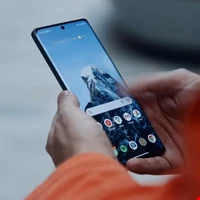
    As would-be iPhone users reportedly continue to queue in stores to buy new iPhone 4 handsets with two year airtime contracts costing large sums of money, the Daily Telegraph has revealed how the iPhone is logging a lot more information on its owners than they realise.

News

PhoneFactor develops biometric verification system for phone-based authentication

19 January 2010

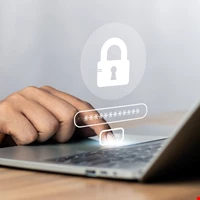
Multi-factor mobile authentication firm PhoneFactor has developed a biometric verification system for its phone-based authentication platform. The system uses biometric validation of a user's voiceprint to provide what it says is three-factor authentication.

The PhoneFactor biometric system uses something the user has (a telephone), something they know (a password), and something they are (their voice), to make authentication more reliable, the company says. It argues that voice-based identification is more feasible for many organizations than the current de facto standard for biometrics – fingerprint recognition – because it doesn't require expensive reader hardware to be deployed locally (not to mention the famed Gummi Bear attack).

The PhoneFactor biometric authentication system works by calling users when they log in. They answer the call and speak a passphrase to complete the login. The system analyzes key characteristics from the user's voice, such as pitch and rhythm. The system uses multiple voiceprint algorithms to minimise false negatives from background noise or minor variations in voice, PhoneFactor said.

Users enroll on the system through the PhoneFactor User Portal, or during the first authentication call.

"Because there are no tokens and no biometric readers to buy, deploy, and support, both the initial and ongoing costs for PhoneFactor are materially lower than other multi-factor authentication systems," PhoneFactor said.

PhoneFactor achieved international recognition late last year after discovering a fundamental flaw in the way that SSL worked, which sent implementors scrambling for a fix.


This article is featured in:
Biometrics Identity and Access Management


Comments

Siegy Adler says:

01 February 2010
I'm glad to see PhoneFactor acknowledge biometrics is the one factor that can positively verify a persons identity. Telephones can be stolen, passwords can be broken -- but a person's voiceprint is the most secure way to remotely verify a person's identity.

Siegy Adler
http://voxbiometrics.blogspot.com/

Note: The majority of comments posted are created by members of the public. The views expressed are theirs and unless specifically stated are not those Elsevier Ltd. We are not responsible for any content posted by members of the public or content of any third party sites that are accessible through this site. Any links to third party websites from this website do not amount to any endorsement of that site by the Elsevier Ltd and any use of that site by you is at your own risk. For further information, please refer to our Terms & Conditions.

Comment on this article

You must be registered and logged in to leave a comment about this article.