Related Links

Related Stories

  • eNom fails to act on bogus online pharmacies
    The world's second-largest seller of website addresses knowingly helped groups that sell counterfeit pharmaceuticals to US residents in violation of federal laws, a research report alleges.
  • Porn sites top drive-by download list
    Porn sites are still the most likely online destinations to be compromised with malware, in spite of increasing attacks on legitimate non-porn websites, according to a report released by security company Commtouch this week.
  • Facebook phishing attack sweeps social network users
    An attack that scammed Facebook users into divulging their passwords was the sixth most popular piece of malware on the internet this week, according to McAfee.
  • Searching for Security
    With more than 30 000 web pages being compromised every day, search engine results could increasingly lead to malware infection. Kari Larsen asks what the search engines are doing to mitigate security threats, and how users can protect themselves
  • US internet crime losses doubled last year
    Lawsuits from online crime more than doubled between 2008 and 2009, according to the latest figures released by the Internet Crime Complaint Center (IC3). The organization also received 22.3% more complaints about Internet crime in 2009, indicating that the average money lost in a single fraud case has increased.

News

Pharma victims targeted for extortion according to FDA

06 January 2010

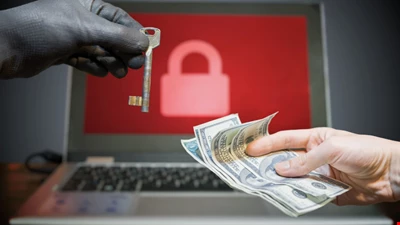
Online scammers are re-scamming Internet pharmaceutical customers with a new ploy: posing as government agents and extorting money from them, says the US Food and Drug Administration.
According to a report issued by the FDA, scammers are posing as special agents working on behalf of the agency and other law enforcers including the DEA, FBI, US Secret Service, and US customs service. The scammers target victims who have previously purchased pharmaceuticals over the Internet, contacting them by telephone to tell them that the purchase was illegal. They then demand a fine ranging from $100–250,000. The scammers demand that the money be sent by wire transfer to a designated location, normally in the Dominican Republic.

"If victims refuse to send money, they are often threatened with a search of their property, arrest, deportation, physical harm, or incarceration," said the FDA.

The scammers' ruse is particularly insidious, given the rise in pharmaceutical "brandjacking." Brand protection company MarkMonitor reported in September that online pharmacies had increased their market footprint, growing to an estimated $11 billion in sales last year, compared to just $4 billion in 2007. It found 3,000 online pharmacies targeting six popular prescription drug brands last July.
The H1N1 pandemic has also been linked with a growth in demand for online pharmaceuticals by consumers worried that they will not get local access to vaccinations.

 

This article is featured in:
Internet and Network Security


Comment on this article

You must be registered and logged in to leave a comment about this article.